
Introduction:
In the ever-evolving world of smartphone videography, having the right gimbal can make all the difference in capturing smooth, professional-looking footage. Two of the top contenders in this space are the Insta360 Flow 2 Pro and the DJI Osmo Mobile 6. Both gimbals come packed with impressive features, but one stands head and shoulders above the other. In this article, we’ll take a closer look at these two gimbals and compare their features to help you make an informed decision.
II. Design and Build Quality
First off, let’s talk about design. The Insta360 Flow 2 Pro boasts a sleek, foldable design that makes it incredibly portable. It uses a magnetic clamping system for quick and secure phone attachment, and the ergonomic handle with an anti-slip grip ensures comfortable use. Plus, it comes with a telescoping arm and built-in tripod, which is a game-changer for those stationary shots. The build quality is top-notch, with premium materials that give it a sturdy feel.
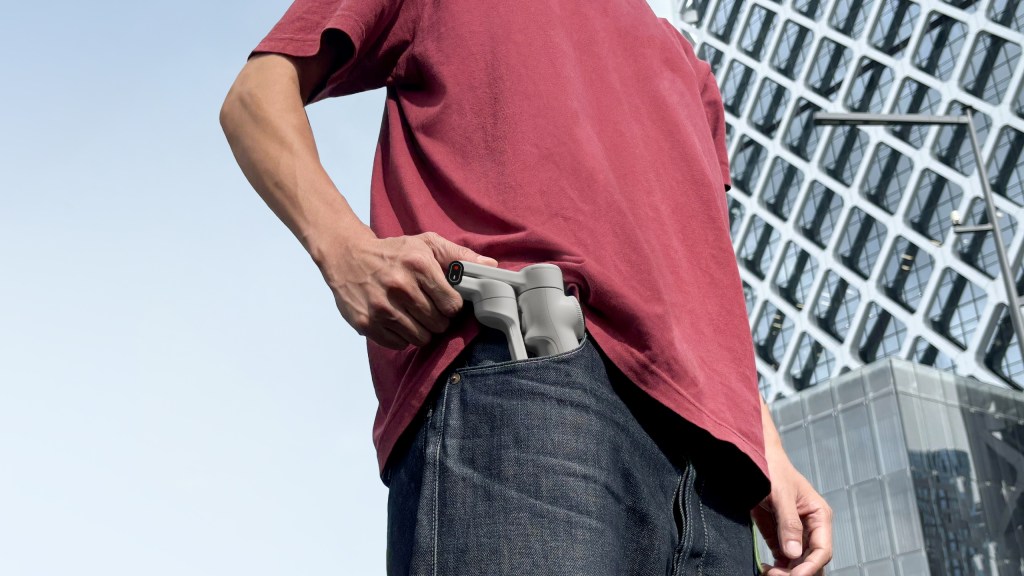
The DJI Osmo Mobile 6 is compact and lightweight. It also features a magnetic phone mount for easy setup and a telescoping arm that allows you to capture various angles. However, it doesn’t have a built-in tripod like the Flow 2 Pro. The Osmo Mobile 6 comes with a separate tripod attachment. The ergonomic design includes a side wheel for focus adjustment and zoom control, which adds a touch of convenience. Its robust build quality ensures durability during extended use, making it a reliable choice.
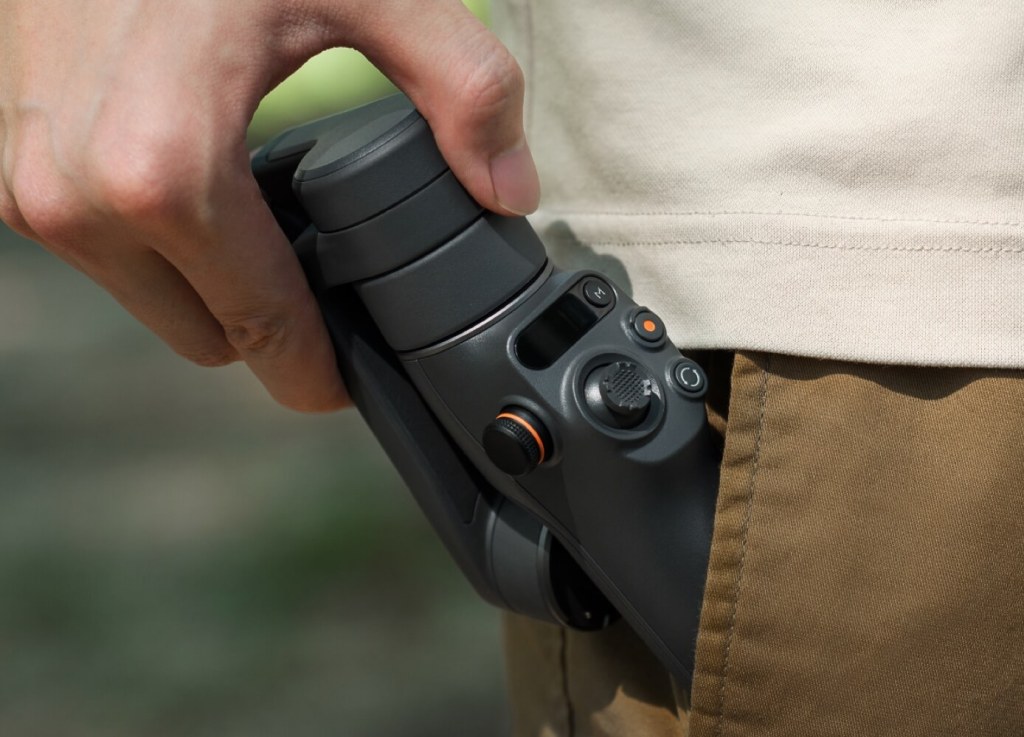
Both smartphone gimbals are compact and well built but the edge goes to the Insta360 Flow 2 Pro with its built-in tripod. When you’re on the go less stuff you have to carry the better. The DJI Osmo Mobile 6 tripod attachment is just one more thing to carry, forget, or lose.
III. Battery Life
When it comes to battery life, the Insta360 Flow 2 Pro takes the lead with up to 10 hours of use. This makes it perfect for extended shooting sessions without the need for frequent recharging. It also features a USB-C port that can be used to charge your phone, adding to its utility during long shoots.
In comparison, the DJI Osmo Mobile 6 offers a respectable battery life of up to 6.5 hours. While it’s slightly shorter than the Flow 2 Pro, it should still be sufficient for most shooting needs. However, you might need to plan for recharging during longer projects.
IV. AI Tracking and Modes
Both gimbals come equipped with advanced AI tracking and various shooting modes, but there are some differences worth noting. The Insta360 Flow 2 Pro is equipped with Deep Track 4.0, which offers advanced tracking capabilities for multiple subjects. It supports over 200 third-party iOS apps through Apple DockKit, enhancing its versatility. The Flow 2 Pro also features a Free Tilt Mode, allowing for flexible shooting styles, including crane and low-angle tilting shots. Features like Multi-Person Tracking and Active Zoom Tracking make it a powerful tool for creative projects.
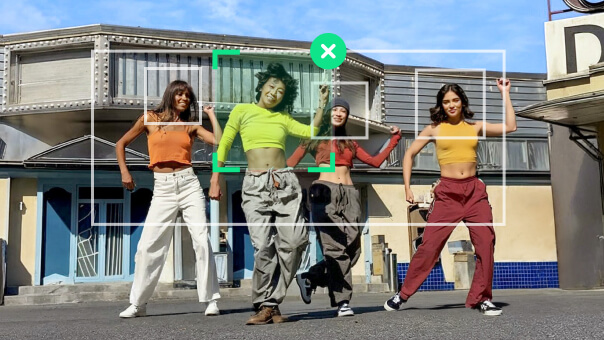
Meanwhile, the DJI Osmo Mobile 6 includes ActiveTrack 5.0, which provides smooth and stable tracking. While it doesn’t support third-party app tracking, it offers various video modes and ShotGuides, which recommend camera shots based on what you’re filming. The companion Mimo app provides tutorials and comprehensive controls, making it user-friendly for both beginners and pros alike.
The Flow 2 Pro continues to extend its lead over the Osmo Mobile 6. The Free Title Mode allow is a major evolution in smartphone gimbal development. The 360 degree movement opens up so many more options when yours trying to get that really unique shot.
V. Additional Features
The Insta360 Flow 2 Pro comes loaded with a host of additional features that enhance its usability. It includes a Pro Framing Grid for composition guidance, 360° Infinite Pan Tracking for uninterrupted rotation, and a Selfie Mirror for perfectly framed rear camera shots. The Teleprompter Mode is perfect for reading scripts while filming or live streaming. Additionally, it can be controlled remotely via an Apple Watch or a second smartphone, and it supports NFC One-Tap Pairing for easy setup. For those seeking professional-grade features, it supports Dolby Vision and Apple ProRes video formats. The power bank functionality is a handy bonus, allowing you to charge other devices during long shoots.

The DJI Osmo Mobile 6 also has a few standout features, including a built-in extension rod for capturing wider angles, a quick launch feature that powers on automatically when unfolded, and a status bar that displays battery life and camera mode status. It can be controlled remotely via an Apple Watch, adding convenience for users who want to adjust settings without touching the gimbal.
VI. Key Differences and Similarities
To sum up, both gimbals offer excellent features, but there are some key differences and similarities:
- Battery Life: The Insta360 Flow 2 Pro has a longer battery life, making it ideal for extended use.
- AI Tracking: The Insta360 Flow 2 Pro supports more advanced tracking features and third-party app integration, offering greater flexibility for creative projects.
- Design: Both gimbals have foldable, portable designs, but the Insta360 Flow 2 Pro includes a built-in tripod, providing added stability for stationary shots.
- Additional Features: The Insta360 Flow 2 Pro offers more professional features and supports high-quality video formats compared to the DJI Osmo Mobile 6.
VII. Conclusion
In conclusion, both the Insta360 Flow 2 Pro and DJI Osmo Mobile 6 are top-tier gimbals. However, the Flow 2 Pro has lapped the Osmo Mobile 6 making the Osmo Mobile 6 feel outdated. The Flow 2 Pro’s longer battery life, advanced tracking features, and built-in tripod, make it the clear choice.

I hope you find this comparison helpful! If you have any specific questions or need more details about any of the features, feel free to ask.
This site contains affiliate links to products. I may receive a commission for purchases made through these links.
 A.V. with Rodney
Leave a comment