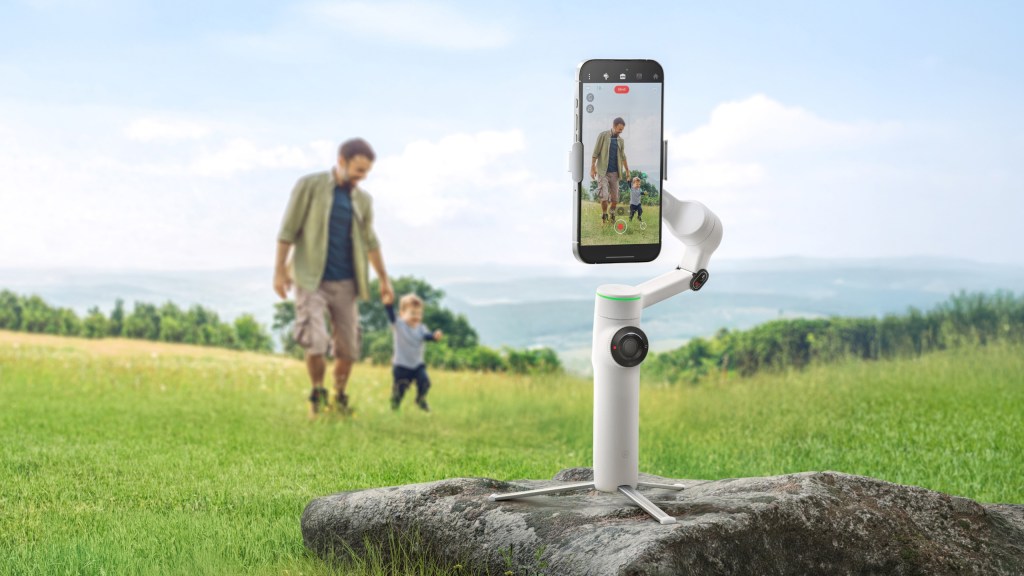
Smartphone gimbals have become essential tools for content creators, vloggers, and anyone looking to capture smooth, professional-quality videos with their phones. These devices offer a range of benefits but also come with some drawbacks. Let’s explore the pros and cons of smartphone gimbals, and take a closer look at two of the most popular models: the DJI Osmo Mobile 6 and the Insta360 Flow 2 Pro.
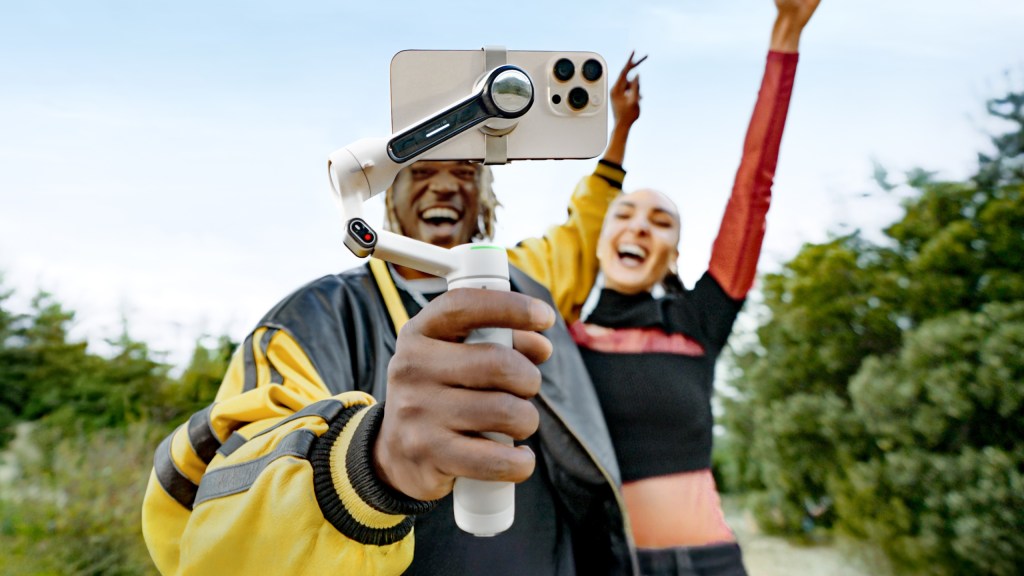
Pros of Smartphone Gimbals
- Stabilization: The primary advantage of smartphone gimbals is their ability to stabilize your phone, reducing shakiness and ensuring smooth footage.
- Portability: Gimbals are lightweight and compact, making them easy to carry around and use on the go.
- Ease of Use: Most gimbals are user-friendly, with intuitive controls and companion apps that help you get started quickly.
- Tracking:
- Creative Features: Many gimbals come with additional features like timelapse, hyperlapse, panorama, and gesture control, allowing you to experiment with different video styles.
- Compatibility: They are compatible with a wide range of smartphones, making them accessible to most users.
Cons of Smartphone Gimbals
- Cost: High-quality gimbals can be expensive, which might be a barrier for some users.
- Learning Curve: While many gimbals are easy to use, mastering all the features and getting the best results may require some practice and learning.
- Size and Weight: Although they are portable, some gimbals can still feel bulky, especially when compared to just using your phone alone.
DJI Osmo Mobile 6
The DJI Osmo Mobile 6 is a popular choice among smartphone gimbals, known for its advanced features and smooth performance. Here are some key highlights:
- 3-Axis Stabilization: Ensures smooth, shake-free footage.
- Built-in Extension Rod: Allows for creative angles and perfect selfies.
- Quick Launch: Automatically powers on when unfolded, making it easy to start shooting quickly.
- Mimo App: Offers a range of video and photography modes, tutorials, and ShotGuides to help you capture the best shots.
- ActiveTrack 5.0: Improved subject tracking for more stable footage.
- Battery Life: Up to 6.5 hours, which is decent but not as good as its top competitor the Insta360 Flow 2 Pro.

Insta360 Flow 2 Pro
The Insta360 Flow 2 Pro is another top contender in the smartphone gimbal market, offering unique features and excellent performance. Here are some key highlights:
- 3-Axis Stabilization: Provides smooth and stable footage.
- Built-in Extension Rod: Allows for creative angles and perfect selfies.
- Built-in Tripod: Allows you to put your phone down just about anywhere freeing up your hands or to use the AI features to capture a timelapse, panoramic photo, or track yourself doing the latest viral social media dance.
- Infinite Tracking: Allows for continuous tracking of subjects, making it ideal for dynamic shots.
- Compact Design: Lightweight and foldable, making it easy to carry around.
- Flow App: Offers various creative modes and tutorials to help you get the best results.
- Battery Life: Longer battery life compared to many other gimbals.
- Gesture Control: Makes it easy to take selfies and group photos.
Conclusion
Both the DJI Osmo Mobile 6 and the Insta360 Flow 2 Pro are excellent choices for anyone looking to enhance their smartphone videography. However, the DJI Osmo Mobile 6 is several years old which in tech terms is ancient. The newly released Insta360 Flow 2 Pro offers innovative tracking capabilities and a longer battery life. I recommend the Insta360 Flow 2 Pro.
Do you have a favorite gimbal or are you considering getting one?
This site contains affiliate links to products. I may receive a commission for purchases made through these links.
 A.V. with Rodney
Leave a comment